Gay parties in Berlin

Berlin is known for being the place where tourists come to get lost in one of the best party atmospheres in the world, the prices for the entrace in most of the clubs here go from 8 to 20 euros. There’s a type of party for every single taste, there’s a guy for every single of us!

Let us begin with some of the most famous gay parties in town:

Berghain

As I’m not an experienced Berghain goer, I can say that I’ve seen some people getting in and some others being left over in the line with their heart broken for not being able to party like monsters in one the most beloved party venues from Berlin. There seems to be even Urban Legends about some of the things you can live in Berghain, which leads me to think WTF! It’s just a club, calm down and keep your crap together… Behave like you’re too cool to even get in.

Being gay might help to get into Berghain, being straight can help you too, by this I just want to say the not only gay people get in, but everyone who’s nice and seems to be able to party hard. Always try to play cool, do not show excitement while waiting outside, this will just show your ‘uncoolness’ and will probably get you a NO at the front door.

Some of my accquintances who happen to be in Berghain every 5 days a week decided to tell me some of the NO GOES to get into Berghain and gave also a couple tips that might get you in!

  • Wearing all black might help you to get in.
  • Transparencies/see through clothing can help the door guy by giving you a yes.
  • If drunk or high before getting into the club, make sure it’s not that obvious.
  • Being skinny can get you in.
  • Forget the pastel tones…
  • Forget the dappered outfits.
  • Act like being all relaxed and DO NOT show any exciment.
  • While taking to the doormen, keep your tone down ( you don’t want to be a diva at the entrance of Berghain)

There is also a GUIDE ON HOW TO GO TO BERGHAIN with a picture of the clothing your should wear if you want to get in.

GMF

Not really a fan of GMF, the service people are very rude, mostly pretentious… There’s all type of guys. However, you should pay a visit if you’re looking for cute guys who look like they just came out of High School. If you’re more the type of guy who like men-looking-like guys, you can forget about going to this party from the very beginning.

GMF @ Café Moskau / Avenue Club Berlin
Karl- Marx-Allee 34
Berlin 10178
23 h – 6h
EVERY SUNDAY

CHANTAL HOUSE OF SHAME

Cute guys, hot guys, guys! This is a crazy party, the DJ’s are amazing and the atmosphere is just awesome. Starts at 11 pm every Thursday and offers a good variety of drinks, music and eye candy. Not as crazy as Berghain but good in it’s very own way.

Bassy Club - Schoenhauser Allee 176A

10119 - Berlin


IMG_0790

Stockholm Pride may be unusual among European pride events in that it consists of much more than just a parade on one Saturday afternoon. It is instead spread over a whole week, and the whole city takes part in one way or another. Even the city buses are decked out with rainbow flags.

I happened to be in Stockholm visiting friends during 2014’s Pride Week (28th July to 2nd August 2014), and so was keen to see how the city celebrates diversity of all kinds.

Stockholm’s Kulturhuset was transformed into the Pride House and became the main focal points of the week’s events. There were exhibitions, lectures and workshops going on all week, and on all kinds of topics with everything from introduction to anal fisting to representation of LGBT peoples among the Sami community.

The Pride House is also one of the best places to buy tickets, which are unfortunately required for many events going on during Pride Week. And this being Sweden, they are not cheap. A pass for the whole week costs 800 SEK (US$117/€87/£70) and grants access to all events at the Pride House as well as the Pride Park.

IMG_1250

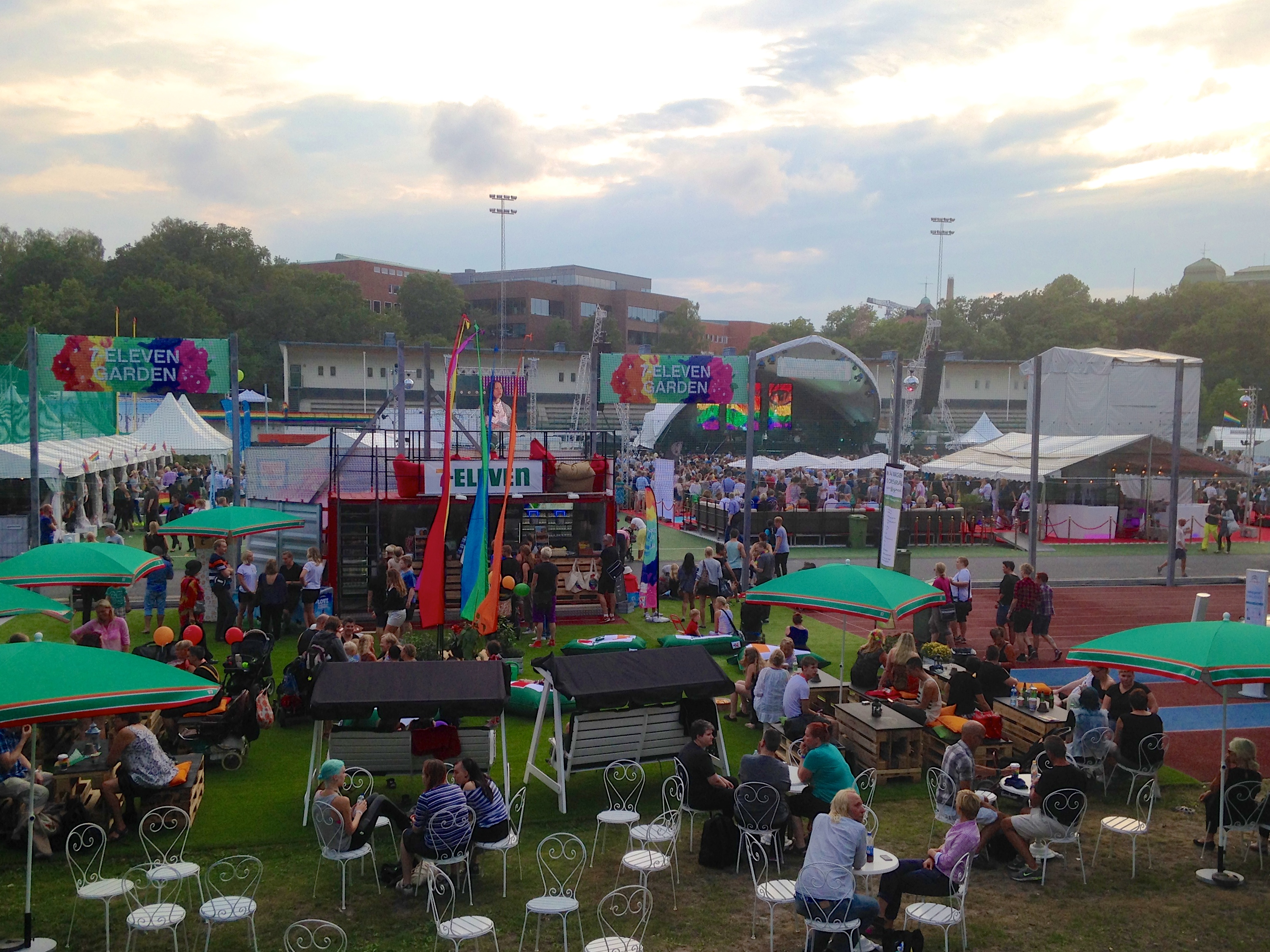
The Pride Park moves around each year, but this year was in a sports stadium in Östermalm. On the opening night of the park (Wednesday 30th July), there was a concert consisting of gay anthems from the 70s right up to the present, culminating in a performance from the wonderful Conchita Wurst.

In the park, there were also stands from various political parties, LGBTQI groups, sponsoring companies and even the Church of Sweden, all offering some small, free gifts. My partner somehow managed to get roped into a competition to win a sex toy if he could apply three condoms to three dildos in under twenty seconds! Unfortunately, he could not.

Right beside the Pride Park was also a smaller, much more subdued park for young people, age 13 to 29. I’m 28 and I wasn’t asked for ID proving my age to enter, and entry is free. There is less going on, and there are no performances, but it felt nice to have a non-threatening space for young LGBT people.

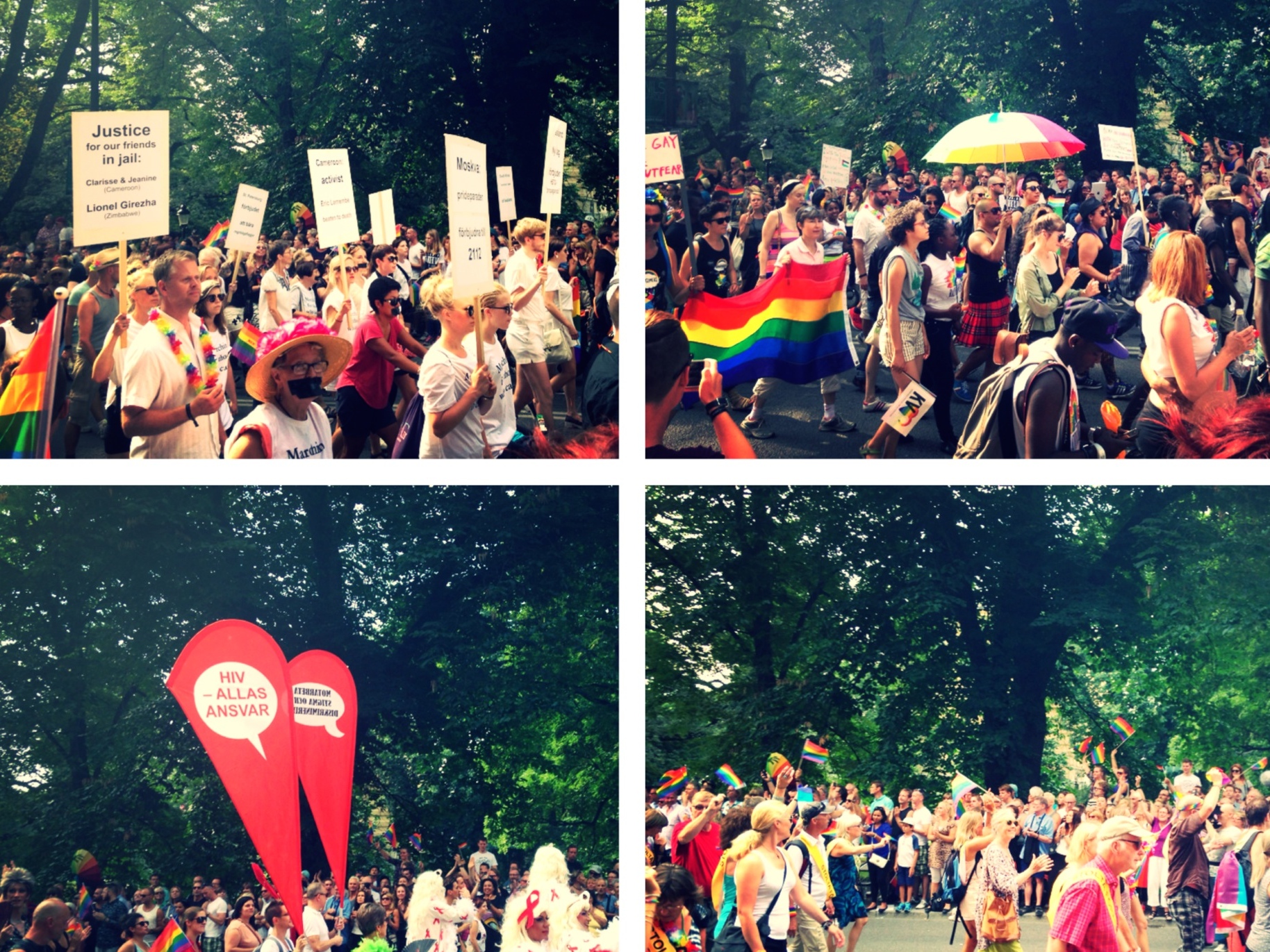
All that was left then was the parade. And what a joyful experience it was! The streets were full of people, though it didn’t feel crowded and there was enough space to comfortably watch the parade go by.

There was a sense of fun and playfulness as the parade started, but also respect and gratefulness. On more than one occasion, I found myself almost moved to tears, particularly when seeing the Proud Parents of LGBT Children march, and hear how much everyone cheered for them.

IMG_1305 - Version 2

With a reputation for being among the most open and accepting cities in Europe (or at least that’s my stereotype!), I felt very lucky to be in Stockholm at this time to participate in this massive celebration of love, diversity and support.

If you’re planning a trip to Stockholm in the summer next year, keep the Pride Week in mind and go see what I mean!

IMG_3961

Teaching English as a foreign language abroad has become an extremely popular endeavour among native and native-like speakers of English as a way to travel and live abroad while still getting paid. But what are the best countries to teach in as an LGBT person?

Spain

Apparently the most gay-friendly country in the world, Spain is also a great place to get work teaching English as a foreign language in Europe, especially if you’re an EU citizen, as there are no visa requirements in that case.

Madrid
Madrid

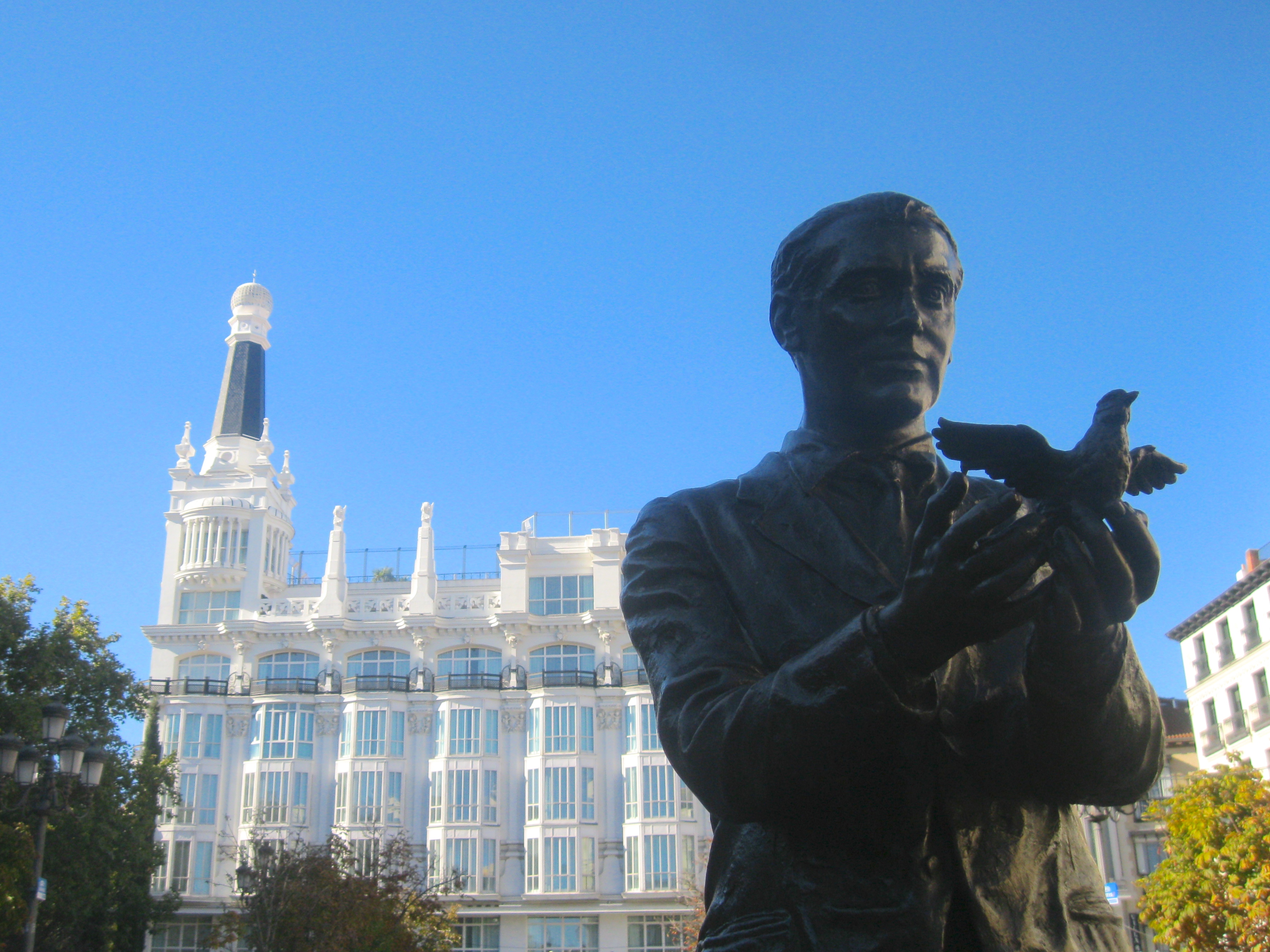
There is a lot of demand for native speaker teachers in Spain, so you really have your pick of schools and regions to work in if you want to work there. From an LGBT perspective, Spain ticks all the boxes: marriage equality was introduced in 2007, individuals have the right to legally change their gender before surgery, strict anti-discrimination laws are in place to protect the LGBT community and to top it all, Madrid is reportedly home to Europe’s largest pride event.

Taiwan

Taiwan may be one of the most lucrative place to teach English as a foreign language in Asia, meaning it is an increasingly popular choice with native speakers. This in turn means that competition can be high, and trying to land a job before arrival may not be the best way to go about it.

As for LGBT rights in Taiwan it may be one of the best place in Asia too. While there is no marriage equality, there are anti-discrimination laws in place to protect LGBT people and there are also lots of good reasons to visit as a gay traveler.

Thailand

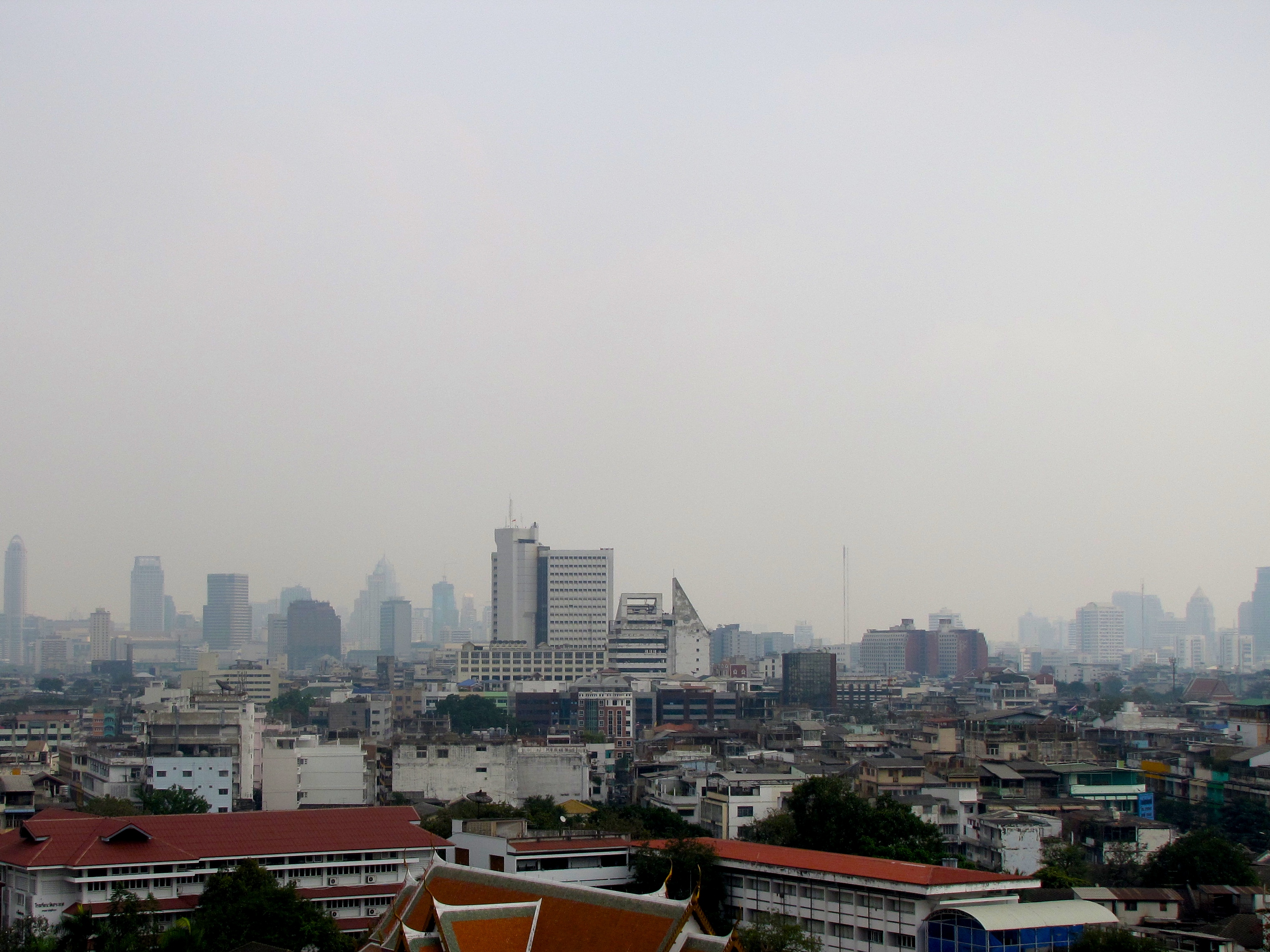
While the reality for LGBT Thais may not be as easy as you might expect from one of Asia’s most gay-friendly country (for example, marriage equality has not been introduced and there are no anti-discrimination laws), there is little to no violence against the LGBT community and, at least in urban areas, openly same-sex couples and transgender people are broadly accepted and generally do not draw unwanted attention. (Source)

IMG_0084
Bangkok

Teaching work is also relatively easy to come by, and while salaries are not as high as in some other Asian countries (like South Korea or Japan, for example), there is still a lot of demand for native speakers, meaning you can be reasonably picky.

Argentina

As Latin America’s first country to introduce marriage equality, Argentina is well known as one of the forerunners in LGBT rights in the Americas, and the capital, Buenos Aires, is arguably the gay capital of South America.

There is of course the tricky point of the failing economy and black market for currency meaning it may not be the best place to legally teach English in order to earn decent money. Word of mouth and personal recommendation is king in Argentina, so getting in touch with potential employers before arriving may be a waste of time; better to turn up and look for work.

GAY BEING IN BOGOTA

The capital of one of South America’s most progressive nations in terms of gay rights. Add to that an array of impressive cultural and historic attractions,lively gay nightlife and fine restaurants—which includes what must be one of the hemisphere’s largest gay dance clubs—and you’ve got plenty of reasons to visit the country.

Colombia has made great progress not just in terms of gay rights, the airport is being upgraded (several times), and there is an increasing presence of international hotels as brands like Hilton, JW Marriott, and Radisson. As a local I can tell you that Bogota has become a much safer place, not only for tourists but also for locals The posibilites to celebrate in Bogota are pretty big. Theratron is one/if not the largest club in town it’s an amazing Venue where several music styles join each other and also the place where you’ll find a variety hot blooded Latinos you can’t refuse…

As a gay man you won’t feel surprised by how opened the locals can be, though you shouldn’t expect many guys holding hands or showing public affection. However, as a local I used to even see guys kissing on public places and call boys just walking around the city… What I really want to say is that Bogota is such a good place to be gay, people are opened and mostly don’t care about your sexual preferences, young people tend to be totally cool about whatever you do as long as they don’t feel molested or personally bothered about it.

Bogota is delightful, as are its people. It is also safe — as safe as any major city anywhere. Normal precautions you would take in any city will serve you sufficiently. Further, is quite accepting and gay-friendly, has the thriving gay scene that you’d expect of a city with 7.3 million inhabitants…


You better werk!

There are some destinations where travel as a gay man is pretty easy, where you can hold your partner’s hand and not get hissed at, or where there are a multitude of places to meet up with guys. San Francisco springs to mind. So does London. Bangkok, New York, Taipei, Berlin, too. But, of course, not everywhere is so easy for a gay man, and one such region is Eastern Europe, an area I spent a couple of months in last year. Sure, things in Eastern Europe aren’t perfect for gay men but, unless you’re looking for gay resorts or intend on making out with guys in public, you don’t really have much to be worried about as a traveller.


Before I get started, I want to make a small disclaimer and say that this post is about being a traveller. I don’t have a deep understanding of LGBT issues in each of the countries I write about here, nor do I pretend to. I’m simply writing about my perceptions and experiences travelling as a gay man in the region, not as someone living there and facing various issues on a daily basis. Now that’s out of the way. So, what is it like being gay in Eastern Europe, a region of the world I spent a fair bit of time in in 2013?

Continue reading

IMG_1390

It’s now just over a year since an amendment to a law banning “propaganda of non-traditional sexual relationships” was enacted in Russia, and though much of the furore surrounding the law may have died down somewhat on the internet and in the media, the way it affects the every day lives of the Russian LGBT community certainly hasn’t.

Foreginers visiting Russia are by no means exempt from adhering to the law, and indeed are subject to extra punishments.

In Russia, the fine for individuals for breaking this law is between 4,000 and 5,000 rubles (US$110-US$138 or €82-€103), though non-Russians may also be imprisoned for up to 15 days and subsequently deported from Russia.

But how exactly does one break this law? What is constitutes “propaganda of non-traditional sexual relationships”?

The wording of the law is that it is anything which may cause

minors to form non-traditional sexual predispositions, notions of attractiveness of non-traditional sexual relationships, distorted ideas about the equal social value of traditional and non-traditional sexual relationships, or imposing information about non-traditional sexual relationships which raises interest in such relationships insofar as these acts do not amount to a criminal offence. [Source]

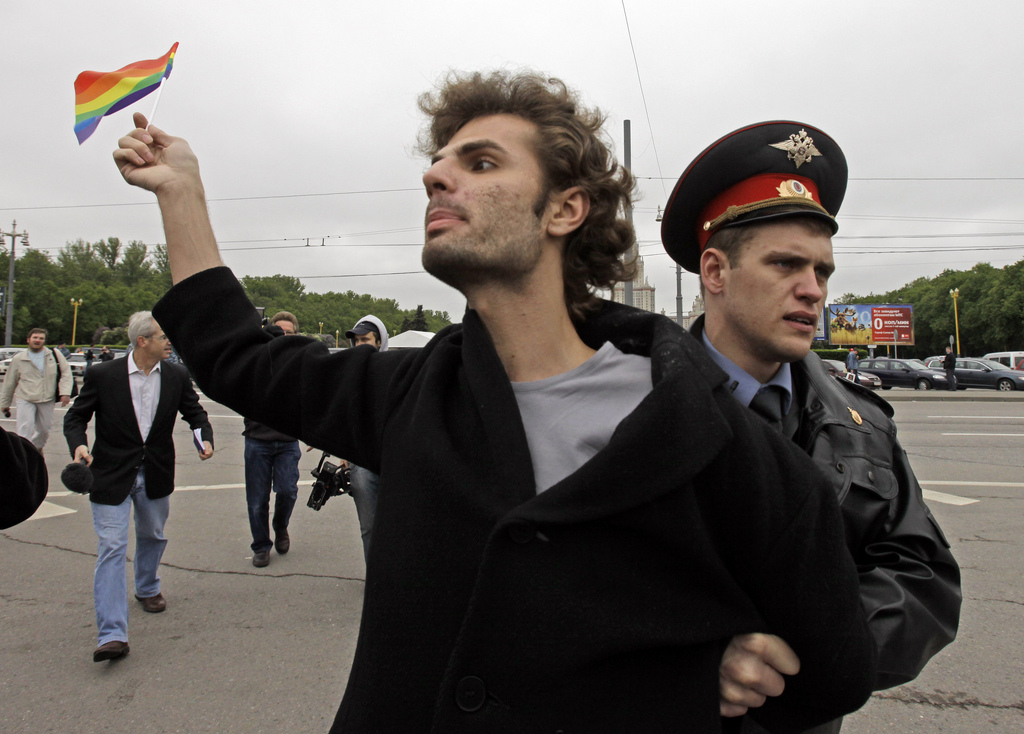
To my understanding, simply stating that you are lesbian, gay, bisexual or trans does not infringe on this law. What would, however, is holding up a sign declaring that homosexuality is normal.

3542540161_d8baa24fa2_b
Source

However, the deeper issue is not whether or not being an LGBT person and being out about it is legal or not in Russia, but rather that the introduction of this law may indeed have contributed to a rise in violence towards LGBT people. The reason for this may be that the government approving the law has been perceived by extremist groups that it is now acceptable, or even somewhat lawful, to perpetrate hate crimes against LGBT people.

So the question becomes whether you would feel safe travelling to Russia as an LGBT person. I travelled there in 2009 and did not have any problems, but I would not go now. Though I’ve travelled to countries where male homosexuality is technically illegal, such as Syria, I’ve never felt threatened just for being who I am on my travels.

In Russia, as it stands now though, I wouldn’t take my chances.

What about you? Would you feel safe travelling to Russia if you identify as LGBT?

twinky boy

Summer is almost over in Berlin, hopefully the very low temperatures won’t hit us very soon! It also seems that I have to start changing the things I am wearing in order not to catch a cold. In the mean time I will just pretend we still have temperatures between and 20 and 30 degrees, plus the feeling of being on the beach with all my friends, that will keep me warm for a couple of days.

It’s 5:30 pm and I have to go out in half an hour, gotta take shower and get ready… I ask myself what should I wear, see all my shorts and realize they are ‘too’ short, then I remember all the things that are related to short-shorts and how easily your image can be missled while wearing something or having a certain type of face. Some people have called me a twink and said I wear outfits for twinky guys, and also said that look I pretty much like one. The common idea of a ‘twink’ is pretty much an attractive, boyish, young and slender hairless gay man.

There is nothing wrong about being a ‘twinky boy’ or a ‘bear’ or any other type of person, but we should think that all this labels that have been created for us, made us look like being in a supermarket where you can choose by colour, size and type of guy. About a month ago I decided to shorten my hair as much as possible, thought the result would be people not seeing me anymore as the ‘ very-cute-twink ‘ they saw before… And it did work, now that I have my short hair I feel very comfortable about the heat and the image I project and feel satisfied about it, I can still wear short-shorts without falling into the same label and things seems to have changed a bit.

Sadly, twink-alikes are given the ultimatum between becoming one of the group or simply pray for someone who wants you and doesn’t feel like rejecting every boy whose body doesn’t fit the regular standards set for very young guys…

http://www.thedandyproject.com

Do men wear makeup?

The question itself would have been ridiculous around 10 years ago, now many guys wear make up, I am not talking only about the cliché of homosexuals wearing make up, No! I am talking about regular guys, people who simply want to hide a pimple or make their eye bags look smaller. From the guy who is the Metrosexual until the very straight guy who just want to look his best on a date with his future girlfriend, they all want to look more appropiate and fit within the new ‘standards’ of beauty.

I remember my friends in Catholic school making fun of me just for saying to one of them that I use foundation to cover some pimples I had ( thank God they disappeared ), then realising some years after that they had pretty much done the same thing I did… Nowadays, I don’t wear any makeup, just because my skin turned out to be good and I follow a healthy diet, but if I had to, I would wear some foundation to hide pimples.

One thing I could also say about this ‘guy makeup thing’ is, no matter the gender, you can do pretty much whatever you want to your body, it’s your choice to look however you want to look, to follow this trend or the other to wear black, yellow or pink. Don’t let society to decide everything you have to do, and please do not let Fashion to tell you how you have to look like.

It is proven that men value appearance in their partner much more than vice versa, this does not mean he can forget about his appearance, still the judgement to these type of men is present. My point is (again) that we can all put as much makeup as we want, judgement is something overrated and there’s enough ‘normal’ people out there to even care about it.

Colombian street art

Colombia, undeservedly, has a reputation as one of the most dangerous countries in the world, thanks to the stigma that has stayed with it from its drug wars and gang violence in the latter half of the previous century. However, Colombia has taken great strides forward and those in the know have come to find that the country has a whole lot to offer, from pristine beaches, mountain ranges, rain forest, and buzzing metropolises like Bogota and Medellin. But, what’s travelling in the country like for gay men? It turns out it’s pretty good, and I’m not just talking about the ridiculously good-looking locals. Here’s what goes down in the three most popular cities for gay visitors.


Bogota

The be-all and end-all of gay life in Bogota is Theatron, a colossal club spread over multiple floors that houses over ten thousand revellers at the weekend. Plus, it’s all-you-can-drink, and there are around seven different rooms blaring out music from pop to salsa and reggaeton to house. Locals in Bogota tend to be more open to gay folk, and recently voted in support of gay marriage in the country. While public displays of affection between men aren’t really seen, you’re unlikely to encounter much hostility if you’re open about your sexuality in conversation. So when you find yourself in the Colombian capital, put on your party shoes, hit the floor and dance the night away in this mega club or, if you’re feeling frisky, head to Babylon sauna, which is full of beautiful bodies and friendly attitudes.


Medellin

The second-largest city in Colombia, Medellin is known for its youthful population and is home to many university students, artists, and musicians. Unsurprisingly then, the atmosphere is fairly liberal, and nobody really cares about your sexuality, at least not amount the young folk of the city. Down some shots of aguardiente, laugh all night, but be careful that the cute guy you’ve been eyeing up all night isn’t expecting payment if you take him home. The gay bars are mostly concentrated near the Prado metro station.


Cartagena

Le Petit is where it’s at in Cartagena, and you’ll find a salsa remix to everything in this bar, including the Pink Panther theme tune. Hips gyrate and booties pop on the dance floor in all directions and barmen weave between people, delivering drinks and collecting glasses. That said, the Caribbean coast is notorious among Colombians for being rather homophobic, and Cartagena is nowhere near Bogota or Medellin in terms of acceptance of the gay community. Ask around about club nights when you’re in Le Petit as gay parties do happen, and they tend to be characterised by house music and strobe lights, just as so many gay nights are. Head to the city beaches however, and you’re likely to see a fair few hunky men of the homosexual persuasion, although be prepared to get hassled by the touts that pace up and down the sand.

8595027459_4b7635874c_b

When it came out in the news that the UK government was considering changing the law to allow same sex couples to marry, I jokingly suggested to my partner in a Facebook status update that we get married.

I say jokingly because marriage was never something I particularly wanted or felt I needed. I was happy to support the fight for marriage equality, though I didn’t think I’d ever want to use the right myself. My partner later told me how surprised he was that I suggested it, even as a joke.

A year and a half later, we are just married. It was a very simple ceremony. There were just two guests to act as witnesses, no more. No flower arrangements, no seating plan, no rings.

You see the main motivation for me and my partner of nine years to marry is to have the legal benefits and protections of the union; we’re not particularly interested in the ceremonial stuff or in sharing our love with the world. It is personal; it is for us.

Really, the main protections we will get as a married couple (at least in countries that will recognise our union) are a kind of insurance policy that only become relevant in the worst potential moments of our life together.

If one of us is dying in hospital, the other has the right to visit at any time and without question; if we own property together, one of us won’t be forced to leave when the other dies in order to liquidate the dead partner’s assets. Of course there are positive benefits too, such as paying a slightly lower rate of income tax, but that’s not what we’re doing it for.

However, it’s not all cold, legalese to me. It took me a while to realise (or perhaps rather, to admit to myself), but there is a part of me that is somewhat sentimental about the whole thing. I will enjoy introducing my partner as my husband, ironically co-opting (and perhaps also simultaneously subverting) the elevated status of couples that are married rather than those that are not.

Though we don’t plan to live in the UK again, I am quite proud to be from a country that has had the sense to introduce marriage equality. I now make the most of that right gratefully, in the hope that future generations of same sex couples who want to marry in the UK will not have to think that they are privileged to be able to do so, because they really aren’t.

If you’re not from a country that has marriage equality (or even if you are) and you have a partner you want to have control of important decisions should you not be able to make them for yourself consider setting up a simple power of attorney, as it will be recognised in almost every country in the world. Also, setting up your wills in such a way that you leave your assets to each other could make things a little easier too.